
An airplane or aeroplane (informally plane) is a powered, fixed-wing aircraft that is propelled forward by thrust from a jet engine, propeller or rocket engine. Airplanes come in a variety of sizes, shapes, and wing configurations. The broad spectrum of uses for airplanes includes recreation, transportation of goods and people, military, and research. Worldwide, commercial aviation transports more than four billion passengers annually on airliner and transports more than 200 billion tonne–kilometres of cargo annually, which is less than 1% of the world’s cargo movement. Most airplanes are flown by a pilot on board the aircraft, but some are designed to be remotely or computer-controlled.
Autopilot features vary by aircraft type and airline, with some planes even able to land themselves under certain conditions. Southwest uses an autopilot technology that assists pilots during every part of the flight.
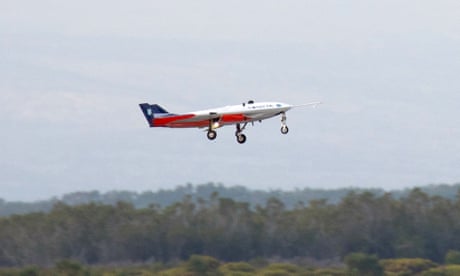
pilotless aircraft
Is the pilotless passenger plane a feasible concept?
The use of commercial and military drones shows the technology for pilotless plane travel exists and is in regular use. The most common type of passenger aircraft in the world, which is planes made by Boeing and Airbus, rely heavily on computers that do much of the pilots’ work. This form of flight is known as “fly by wire”. Meanwhile, auto-landing as well as conventional auto-pilot have been in place for decades. Control towers at airports are likely to become a thing of the past, with plans at London City airport to relay HD imagery to a site in Hampshire.
Air passengers wary of pilotless planes – even if they lead to lower fares
Read more
Is fly by wire technology safe?
Flying by airplane has never been safer thanks to considerable improvements in technology and design (and airport security). According to the International Air Transport Association, the airline industry trade body, there were 1.25 accidents per million jet flights last year – lower than the five-year average of 1.46 (which was already at a very low level). But the interaction between an automated system and a pilot can cause fatalities when it goes wrong and was a key factor in the Air France Flight 447 crash, which claimed 228 lives in 2009 and was the subject of an interesting Vanity Fair article.
What are current regulations on pilotless passenger planes?
The Civil Aviation Authority, the UK regulator, say there are no regulations in place for pilotless passenger planes because they do not exist, yet. “At the moment a passenger aircraft needs to be piloted by a human,” it says, adding: “There are rules in place for large drones, the military style drones, which are pilotless and need to be certificated like other aircraft.”
What are the potential problems for pilotless planes?
An unmanned cockpit – if pilotless planes have them – poses obvious security concerns, particularly if passenger planes retain the capacity for override by a human in case of computer glitches. This could be mitigated by having teams of pilots on the ground – similar to military drone pilots – who can take over at the first sign of trouble. There is also the situation of who is in charge of the plane when it is in the air and will have the authority to deal with unruly passengers and, for instance, decide to land the plane in an emergency situation. Would this power be conferred to senior cabin crew and if so, how would they command the plane to execute and emergency landing and how would they communicate with air traffic control?
What do the pilots think?
They are concerned about both flight safety as well as security. Steve Landells, flight safety specialist for the British Airline Pilots Association, says: “We have concerns that in the excitement of this futuristic idea, some may be forgetting the reality of pilotless air travel. Automation in the cockpit is not a new thing – it already supports operations. However, every single day pilots have to intervene when the automatics don’t do what they’re supposed to.
“While moving pilots to a control tower on the ground might eventually save airlines money, there would need to be huge investment to make this possible, and even more to make it safe.”
Landells adds that the growing phenomenon of global computer hacking attacks raises legitimate concerns about the vulnerability of pilotless aircraft to such a criminal ploy. So far, cars have proven to be susceptible targets. In 2015, hackers demonstrated they could take control of a Jeep over the internet and crash it. “Automated aircraft would be at risk of cyber-attacks,” says Landells. “The system would need to be airtight to ensure those with malicious intent couldn’t take control.”
 purity's blog