
walking tractor

WALKING TRACTOR

Many small-holder farmers would love to use tractors on their farms, but the price factor holds them back.But there is there is hope. The Ministry of Agriculture through the Agriculture Development Corporation Kenya (ADC) has rolled out an affordable hand-pushed multipurpose tractor that can perform the work of three bulls (tilling job).“This walking tractor was specifically designed for those farmers who want to enjoy the services of a tractor but cannot afford the big and pricey machines. With this invention, farmers can do away with tilling their land using donkeys and bulls,” explains ADC’s Ronnie Bosire.Bosire explains that the machine costs Sh150,000 to Sh250,000 depending on the country of import and the engine size.He says although that might seem expensive for some small holder farmers, it is affordable considering tractors cost as much as Sh1 million depending on the brand.The Ministry’s official says the technology was borrowed from China and Japan where mechanised agriculture is the order of the day.“We have imported these machines from China. There was so much interest when we unveiled them, we made new orders early this year from Indonesia and Japan,” Mr Bosire says.The machine has been designed with specific considerations to make work easier.In case a farmer is working late into the night, there are head lights for visibility.It also has a plough disc for tilling the farm (of different shapes depending on the nature of the work a farmer wishes to perform).Other than tilling the land, small holder farmers can also use it to pump water to the farm. Given that it is fitted with a chaff cutter, it can also be used to cut animal feeds.Additionally, it can also pull farm inputs and outputs of up to half a tonne when attached to a trolley. And it uses minimal fuel.Efficiency“With four to five litres diesel — given the local market price of diesel of Sh90 — one spends like 90*5=Sh450 on the job. Compare this to the price of tilling an acre of land which is Sh1,500 on the lower side,” he says.Maintenance is simple.“To boost efficiency, the brakes should be lubricated and adjusted. It should be kept clean so that it’s easy to spot damaged components and leaks. It’s also good to regularly check oil, fuel, water and tighten loose nuts tire pressure.”And what are the downsides?Jared Kiplimo from Nandi who has used it says he has noticed that when the sun is too hot, or when it is raining, the machine does not work at optimum.At the same time, it requires careful maintenance and also produces exhaust of diesel fumes which can pollute the environment.
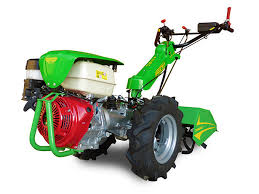
WALKING TRACTOR

Smart belts

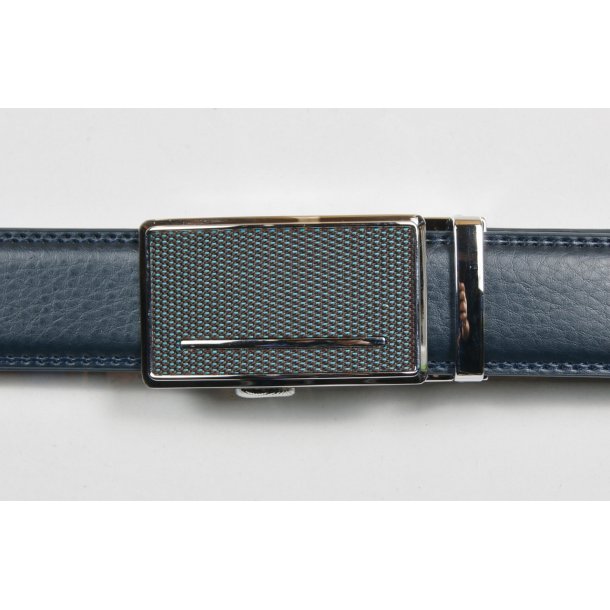
These Fashionable Smart Belts Help You Lead a Healthy Life by Tracking Your Health
Data With the increasing popularity of smart clothes, smart belts are now making their way into wearable technology. In addition to enhancing your smart clothes, these belts help you to lose belly fat, track your activity and help you enjoy simple moments throughout the day.
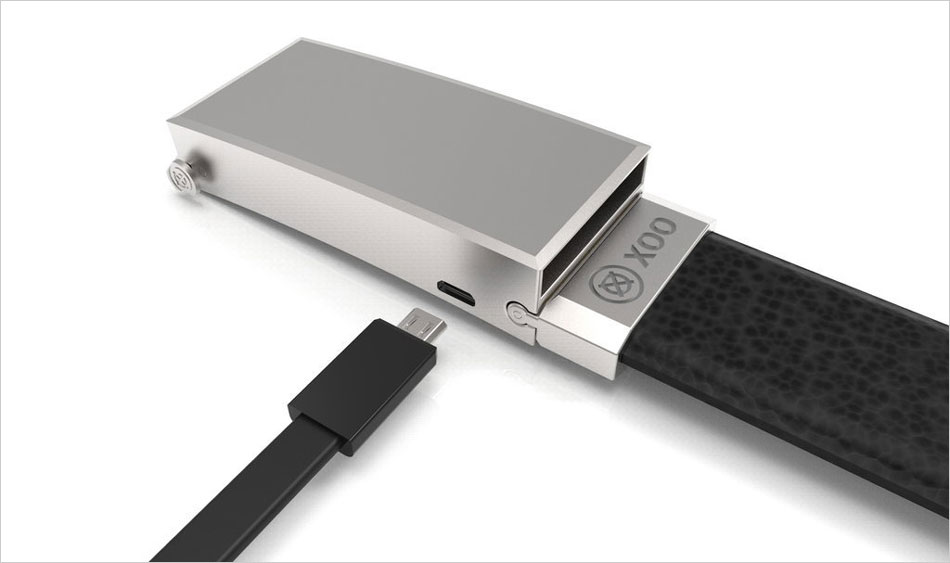
WELT Made by Samsung, WELT is the wellness Belt that makes wearables fashionable. WELT tracks key health data and provides tips and warnings for your health.
Read more These Wearables Will Keep You Warm this Winter The device is made by a team within Samsung’s Creative Lab, which is an in-house incubator that lets company employees play with ambitious ideas and turn them into full-fledged startups. WELT can track the three main general health indicators: waist size, activity and food intake. For activity, WELT’s pedometer tracks steps taken while the belt also tracks sitting time. As the first belt wearable for everyday use, WELT is the first health tracker that can integrate all four
of these functions. Waist size is a key starting point for gauging overall health. WELT’s magnetic waist sensor is embedded in the buckle and tracks your waist size in real time. Monitor your progress over time as WELT can sense waist sizes from 28 to 44 inches in circumference. LumiDiet LumiDiet is a smart wearable diet belt. The newly developed Lumidiet is a wearable health car device that uses lights to help users with decreasing fat
from fat cells. Lumidiet is a device with very sophisticated and trendy design, which does not need any surgical treatment to lost fat.
] In addition, with a motor-powered vibration added to the device, not only it enables faster elimination of fat cells solved by light penetration, but also gives users higher level of satisfaction through a more vivid performance an fit. The device can lead to a better outcome when combined with other exercises such as cardio. SMART belt SMART (Seizure Monitoring and Response Transducer) is a smart belt that is dedicated to help people living with epilepsy. Developed by a group of graduating seniors from Rice University, the SMART belt is built to allow greater autonomy and independence for people who have epilepsy. Two silver chloride electrodes are integrated into SMART to detect changes in skin conductance. By noticing changes in respiration rate and increased build-up of sweat on the skin, the belt can wirelessly send a message to a parent or guardian to take action.

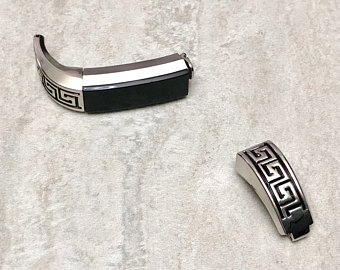
SMART BELT
SMART BELT

Cardiology performance

  1. Google Glass
    Google Glass, the best-known example ofwearable computing technologies, consists of a headset that sits on your face like a pair of eyeglasses. But this sophisticated mini-computer can take pictures, record videos, and wirelessly transmit data. Physicians can wear the hands-free device during medical procedures to record and transmit images
    without having to handle cameras and contaminate the sterile surgical environment. One potential use for Google Glass is during coronary angiography, in which a doctor injects a special dye into the heart’s arteries to reveal possible narrowings or blockages. In one small study, angiographic images broadcast through Google Glass to computers or iPads were sharp enough to be accurately interpreted by experts who weren’t present during the procedure. In the future, this technology could allow people with heart problems to benefit from the expertise of cardiologists around the
    globe.
  2. Bioresorbable stents
    During an artery-opening angioplasty, doctors usually place a tiny mesh tube called a stent that releases drugs into the vessel to keep it open. But over time, clots can form inside stents. Preventing this may require long-term drug treatment.
    A new type of stent that gradually dissolves within a year or so may help sidestep that problem. Called bioresorbable stents, they also enable treated vessels to regain their ability to constrict and expand. In one recent trial, the everolimus- eluting bioresorbable stent was just as effective as the most commonly used drug-eluting stent. However, currently available bioresorbable stents are less flexible and therefore harder to place inside arteries than metal stents, which limits their use in more complex coronary artery disease. But some experts hope further advances in the technology may allow bioresorbable stents to replace metal stents in the future.
  3. Leadless pacemaker
    Traditional pacemakers consist of a small battery-operated power source implanted under the skin. Wires known as leads deliver electrical impulses to the heart muscle to help maintain a normal heartbeat. Although pacemakers are in general very reliable, the leads represent the weak link in the system. When complications do arise, they most often involve a broken lead (which can cause a malfunction) or an infection
    at the insertion site. In addition, some people have anatomical differences that make it difficult to implant the lead. The leadless pacemaker is a tiny, self-contained unit that is placed on the inside wall of the heart through a thin, flexible tube called a catheter. The first version of a single-chamber pacemaker placed in the heart’s right lower pumping chamber looks promising. Future iterations may be available in the next
    few years.
  4. Valve-in-valve procedure
    Heart valves made from animal tissue (called bioprosthetic valves) are increasingly used to replace stiff, narrowed aortic valves. Compared with mechanical valves, they carry a lower risk of clot formation, which means people who get them probably don’t need long-term anti-clotting drugs. The catch is that bioprosthetic valves don’t last as long as mechanical valves, so a recipient may eventually require another surgery
    to replace the valve a second time. Now, a less invasive technique called a valve-in-valve procedure is more often being used instead of that second surgery. A new
    bioprosthetic valve is inserted into the heart via a catheter at the site of the failing device. More research needs to be done on the pros and cons of this procedure in younger patients. But it may turn out to be the best valve replacement option for
    people at high risk from surgery.
  5. Protein patch for heart muscle growth
    During a heart attack, heart muscle cells suffer damage and die. Since these cells cannot fully regenerate, scar tissue forms instead. This makes it harder for the heart to pump blood effectively and ultimately may lead to heart failure.
    Recently, a team of health and bioengineering experts discovered a natural protein that can promote the regrowth of normal tissue. In an early study using mice and pigs, the
    researchers discovered that when a patch containing this protein was sewn on the animals’ damaged heart muscle, cardiac cells actually began to regrow, and heart function returned to near normal. Scientists hope to begin human clinical trials of the patch within the next two years.
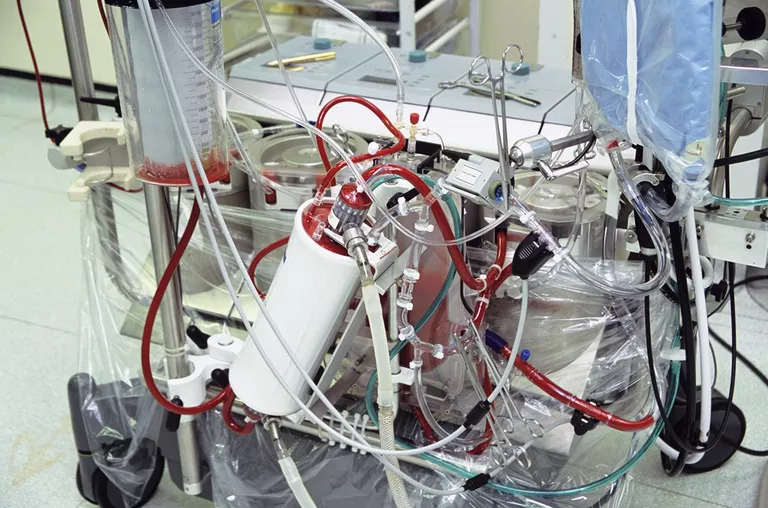
Blood control machine

Cancer management

New approaches to tame the immune system in the fight against cancer are getting us closer to a future where cancer becomes a curable disease. I spoke with experts in the field to gather a realistic overview of the potential of four of these promising new cancer treatments. Curing cancer is certainly one of the big challenges of the 21st century. Our knowledge of the mechanisms behind cancer has greatly improved in the last two decades. This has revealed the huge variability that can be found between not only different types of cancer, but also between patients with the same type of cancer. It seems increasingly evident that the solution won’t be a
single ‘cure for cancer’. Rather, each patient will be treated accordingly to their specific needs. For personalized medicine to become a reality, we need a range of therapies wide enough to cover the whole spectrum of cancer.


In recent years, several new technologies have arisen with the promise of improving the outcomes of cancer treatments by helping the immune system identify and attack tumors, a field known as immuno-oncology. These technologies could make a big difference in the
development of effective options that take us closer to being able to ‘cure’ cancer.
Making unique cancer vaccines Cancer is caused by mutations that transform healthy cells
into tumor cells. These mutations are often at the center of new therapies for cancer, but they can be very different in each tumor. “Mutations are random. If you look at one patient’s tumor
and compare it to another patient’s, it would be highly unlikely that there will be a match.

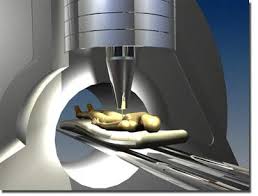
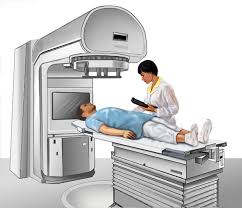
PROTON THERAPY MACHINE
BEAM RADIATION THERAPY

Smart anklets

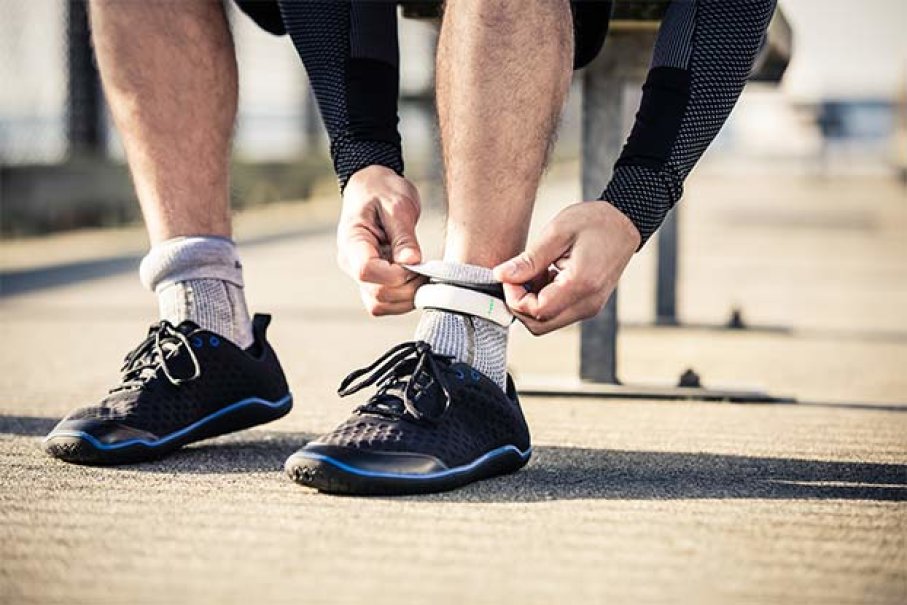
Sensoria smart socks have circuits and sensors woven inside, as well as an anklet with a wireless chip, to analyze your running technique. SENSORIA For years, health-minded runners — and what other kind is there? — have been sporting wearable electronic devices to help them navigate their workout routes and measure their speed and cardiovascular performance. But we’ve come a long way from the days when the state- of-the-art was a bulky GPS device on the wrist, or cumbersome strap-on heart monitors. The latest-generation monitoring devices are not only less obtrusive, but also can track and quantify a much wider range of information.

Sensoria smart socks
Smart anklet
Design a site like this with WordPress.com
Get started