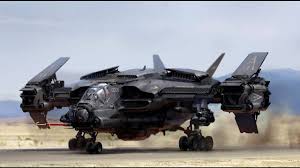
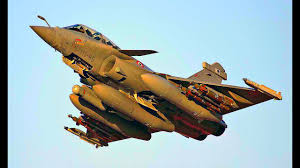
All revealed fifth-generation fighters use commercial off-the-shelf main processors to directly control all sensors to form a consolidated view of the battlespace with both onboard and networked sensors, while previous-generation jet fighters used federated systems where each sensor or pod would present its own readings for the pilot to combine in their own mind a view of the battlespace.[63][64][65] The F-22A was physically delivered without synthetic aperture radar (SAR) or situation awareness infra-red search and track. It will gain SAR later through software upgrades.[66] However any flaw in these huge software systems can knock out supposedly unrelated aircraft systems and the complexity of a software defined aircraft can lead to a software crisis with additional costs and delays.[ By the end of 2013 the biggest concern with the F-35 program was software, especially the software required to do data fusion across the many sensors
Three of North America’s biggest cruise lines – Carnival, Norwegian and Princess – will unveil new vessels in 2019. But while the ships will be new, they’ll look strikingly familiar. All three will be sisters to existing vessels.
Also rolling out a sibling to an existing ship will be Europe-based MSC Cruises. MSC will have two new vessels in 2019 with familiar bones. One will be a sister to the recently unveiled MSC Meraviglia; the other a stretched version of that ship.
The newcomers won’t be carbon copies of their siblings. Most will offer new features. Princess’ new vessel, for instance, will have the line’s first cabins for families of five.
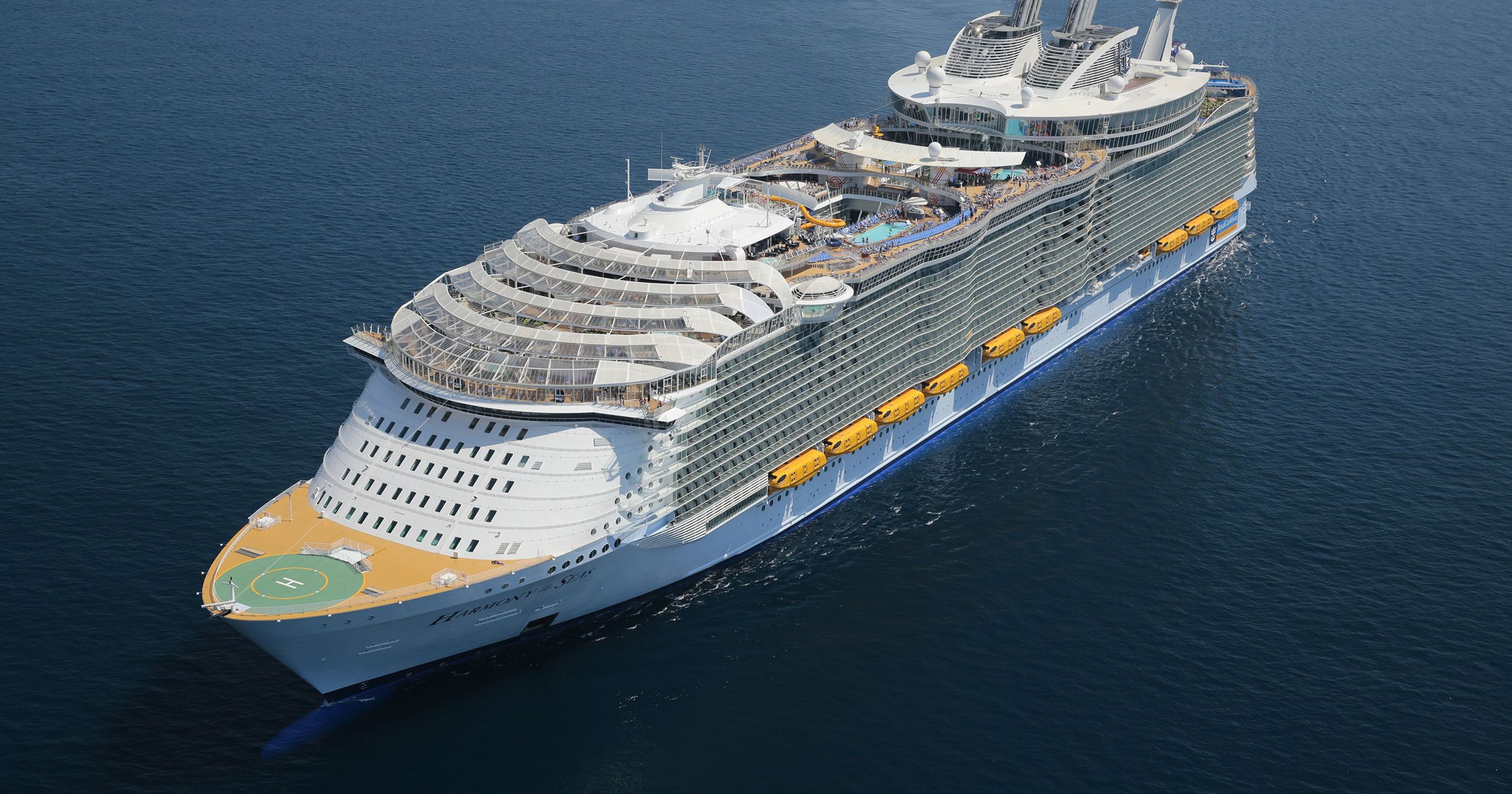
Among big-ship lines marketing to North Americans, only a minor player in the market, Europe-based Costa Cruises, will unveil a completely new class of ship. The line’s 183,900-ton Costa Smeralda will be the world’s fifth-largest vessel when it debuts late in the year.
One other big-ship line that caters to North Americans, Royal Caribbean, will be unveiling a new ship in 2019. But in a twist, it won’t be one aimed at American vacationers. To be called Spectrum of the Seas, it’s being custom-built for the Chinese market.
In all, there will be seven big oceangoing cruise ships aimed at the North American market debuting in 2019. What will the vessels be like? With the peak period for cruise bookings – aka Wave Season – getting underway, USA TODAY Cruises offers the following guide to the newcomers (click on the ship names below for a full page on each of each of the vessels including information on onboard features, home ports, itineraries and pricing).
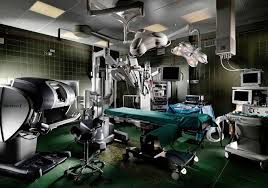
Plastic surgery is a surgical specialty involving the restoration, reconstruction, or alteration of the human body. It can be divided into two categories. The first is reconstructive surgery which includes craniofacial surgery, hand surgery, microsurgery, and the treatment of burns. The other is cosmetic or aesthetic surgery.[ While reconstructive surgery aims to reconstruct a part of the body or improve its functioning, cosmetic surgery aims at improving the appearance of it. Both of these techniques are used throughout the world.
Plastic surgery is a broad field, and may be subdivided further. In the United States, plastic surgeons are board certified by American Board of Plastic Surgery.[ Subdisciplines of plastic surgery may include:
Aesthetic surgery
Aesthetic surgery is an essential component of plastic surgery and includes facial and body aesthetic surgery. Plastic surgeons use cosmetic surgical principles in all reconstructive surgical procedures as well as isolated operations to improve overall appearance.[
Burn surgery
Burn surgery generally takes place in two phases. Acute burn surgery is the treatment immediately after a burn. Reconstructive burn surgery takes place after the burn wounds have healed.
Craniofacial surgery
Craniofacial surgery is divided into pediatric and adult craniofacial surgery. Pediatric craniofacial surgery mostly revolves around the treatment of congenital anomalies of the craniofacial skeleton and soft tissues, such as cleft lip and palate, craniosynostosis, and pediatric fractures. Adult craniofacial surgery deals mostly with fractures and secondary surgeries (such as orbital reconstruction) along with orthognathic surgery. Craniofacial surgery is an important part of all plastic surgery training programs, further training and subspecialisation is obtained via a craniofacial fellowship. Craniofacial surgery is also practiced by Maxillo-Facial surgeons.
Hand surgery is concerned with acute injuries and chronic diseases of the hand and wrist, correction of congenital malformations of the upper extremities, and peripheral nerve problems (such as brachial plexus injuries or carpal tunnel syndrome). Hand surgery is an important part of training in plastic surgery, as well as microsurgery, which is necessary to replant an amputated extremity. The hand surgery field is also practiced by orthopedic surgeons and general surgeons. Scar tissue formation after surgery can be problematic on the delicate hand, causing loss of dexterity and digit function if severe enough. There have been cases of surgery to women’s hands in order to correct perceived flaws to create the perfect engagement ring photo.
Microsurgery is generally concerned with the reconstruction of missing tissues by transferring a piece of tissue to the reconstruction site and reconnecting blood vessels. Popular subspecialty areas are breast reconstruction, head and neck reconstruction, hand surgery/replantation, and brachial plexus surgery.
Children often face medical issues very different from the experiences of an adult patient. Many birth defects or syndromes present at birth are best treated in childhood, and pediatric plastic surgeons specialize in treating these conditions in children. Conditions commonly treated by pediatric plastic surgeons include craniofacial anomalies, Syndactyly[(webbing of the fingers and toes), Polydactyly (excess fingers and toes at birth), cleft lip and palate, and congenital hand deformities.
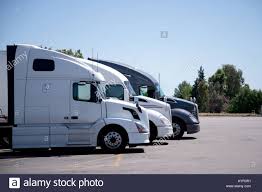
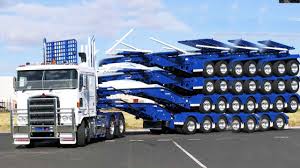
Tablets, smartphones, and apps get all of the attention in tech these days. And, we all know BMW and Audi make incredibly high-tech sedans. Yet, over the past two years, automakers have started adding some surprising tech features to trucks. One model can lower itself to help passengers step inside and to make it easier to load your gear at Home Depot. Another has the same lane-keeping tech you’d find in that BMW. Which one will impress your IT comrades the most?
1. Ford F-150
Ford made some dramatic tech improvements on the 2015 F-150, but the one that surprised me the most during a recent test drive had to do with lane-keeping. As you drive, the truck monitors the lane and keeps you centered. That’s becoming a common feature, but when you are pulling an Airstream Sport camper at the same time, it’s a godsend. Plus, the F-150 has adaptive cruise control to maintain a safe distance from the car in front of you.
2. Toyota Tundra
What’s most surprising about this high-tech truck is that it has a wide assortment of apps you can control through the touchscreen display. Known as Toyota Entune, the service lets you order movie tickets, make a reservation at a restaurant, or play a high quality audio stream from your iPhone or Android phone. Make sure you check to see if your phone is compatible.
3. RAM 1500
The RAM 1500 normally has 8.7-inches of ground clearance, but you can use the key fob to change the height — lowering the truck .6-inches for better aerodynamics or lower it by two inches when you park (making it easier to load gear or climb aboard). The really high-tech aspect has to do with automatic sensing. You can make manual adjustments, but if you forget, the truck will read what you have loaded (say, a bunch of plywood) and adjust as needed.
4. GMC Sierra
My favorite feature on this high-tech truck has nothing to do with hauling plywood or adaptive cruise control. Inside the cab, you can enable a Wi-Fi sharing feature from OnStar that runs in 4G. (The only other automaker who offers that high-speed service is Audi.) It’s particularly useful when you take a family trip, because everyone can connect up with a tablet or laptop.
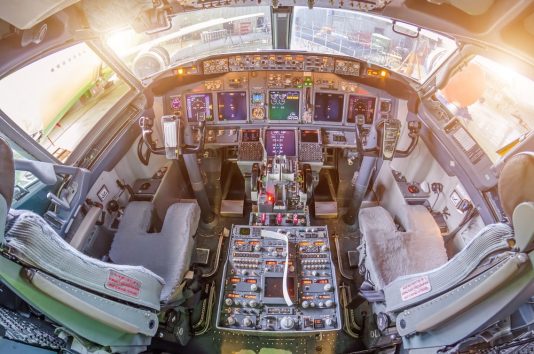
Autopilot features vary by aircraft type and airline, with some planes even able to land themselves under certain conditions. Southwest uses an autopilot technology that assists pilots during every part of the flight.
pilotless aircraft
Is the pilotless passenger plane a feasible concept?
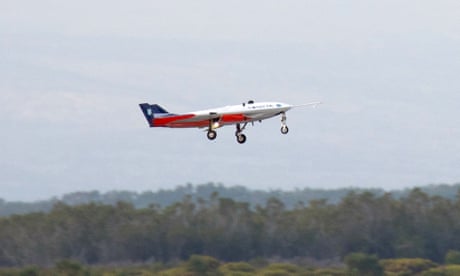
The use of commercial and military drones shows the technology for pilotless plane travel exists and is in regular use. The most common type of passenger aircraft in the world, which is planes made by Boeing and Airbus, rely heavily on computers that do much of the pilots’ work. This form of flight is known as “fly by wire”. Meanwhile, auto-landing as well as conventional auto-pilot have been in place for decades. Control towers at airports are likely to become a thing of the past, with plans at London City airport to relay HD imagery to a site in Hampshire.
Flying by airplane has never been safer thanks to considerable improvements in technology and design (and airport security). According to the International Air Transport Association, the airline industry trade body, there were 1.25 accidents per million jet flights last year – lower than the five-year average of 1.46 (which was already at a very low level). But the interaction between an automated system and a pilot can cause fatalities when it goes wrong and was a key factor in the Air France Flight 447 crash, which claimed 228 lives in 2009 and was the subject of an interesting Vanity Fair article.
What are current regulations on pilotless passenger planes?
The Civil Aviation Authority, the UK regulator, say there are no regulations in place for pilotless passenger planes because they do not exist, yet. “At the moment a passenger aircraft needs to be piloted by a human,” it says, adding: “There are rules in place for large drones, the military style drones, which are pilotless and need to be certificated like other aircraft.”
What are the potential problems for pilotless planes?
An unmanned cockpit – if pilotless planes have them – poses obvious security concerns, particularly if passenger planes retain the capacity for override by a human in case of computer glitches. This could be mitigated by having teams of pilots on the ground – similar to military drone pilots – who can take over at the first sign of trouble. There is also the situation of who is in charge of the plane when it is in the air and will have the authority to deal with unruly passengers and, for instance, decide to land the plane in an emergency situation. Would this power be conferred to senior cabin crew and if so, how would they command the plane to execute and emergency landing and how would they communicate with air traffic control?
What do the pilots think?
They are concerned about both flight safety as well as security. Steve Landells, flight safety specialist for the British Airline Pilots Association, says: “We have concerns that in the excitement of this futuristic idea, some may be forgetting the reality of pilotless air travel. Automation in the cockpit is not a new thing – it already supports operations. However, every single day pilots have to intervene when the automatics don’t do what they’re supposed to.
“While moving pilots to a control tower on the ground might eventually save airlines money, there would need to be huge investment to make this possible, and even more to make it safe.”
Landells adds that the growing phenomenon of global computer hacking attacks raises legitimate concerns about the vulnerability of pilotless aircraft to such a criminal ploy. So far, cars have proven to be susceptible targets. In 2015, hackers demonstrated they could take control of a Jeep over the internet and crash it. “Automated aircraft would be at risk of cyber-attacks,” says Landells. “The system would need to be airtight to ensure those with malicious intent couldn’t take control.”

 purity's blog